When it comes to making shoes every little thing counts. Most people look at the design of the shoe the sole, the material used for the part and how comfortable it is.. There is one thing that does a big job without being noticed, and that is the sewing machine thread used for stitching. A shoe may look really strong from the outside. Weak stitching does not last very long. That is why many shoe manufacturers are now using high-tenacity threads.
High-tenacity threads are threads that’re very strong for their size. They can withstand a lot of pulling and stress without being thick and heavy. This makes them very useful for making shoes.
Shoes go through a lot every day. They get bent, stretched, rubbed, twisted. They have to carry the weight of the body over and over again. In sports shoes, school shoes, safety shoes and even casual shoes the stitches hold parts together. If the thread is not strong enough, the seams can come apart the shape of the shoe can get loose. The shoe can wear out faster. A strong thread helps the shoe keep its shape for a time.
The good thing about high-tenacity threads is that they make the shoe strong without making it bulky. This is very important today because people want shoes that feel light on their feet. Heavy shoes can be tiring especially when worn for a time. So shoe manufacturers always try to reduce weight wherever they can. When a strong but light thread is used it helps achieve this goal in a way.
Normal threads may need to be thicker to be stronger.. Thicker threads can add more bulk to the seam area. In some types of shoes this can affect how flexible the shoe is and how neat it looks. High-tenacity threads solve this problem. Even when they are very fine they can still provide good seam strength. So the shoe stays light. The stitching still works well.
This is especially useful in sports and performance shoes. Running shoes, training shoes, trekking shoes and outdoor shoes need to be both strong and light. A heavy shoe can slow you down. Make you uncomfortable. At the time weak stitching is not good because these shoes are under a lot of pressure when you move. High-tenacity threads help strike a balance. They support the shoe where it needs it. They do not make it too heavy.
These threads are also helpful in areas of the shoe that’re under a lot of stress. For example the eyelet area, the seams on the side the toe area, the heel and the part where the tongue is attached. These places are. Moved repeatedly. If the thread quality is poor the seams can start to damage from these spots. A better thread can hold these sections firmly. Reduce the chance of the shoe failing early.
Another reason why high-tenacity threads are useful is that they make the shoe last longer. A strong thread helps the shoe stay in condition with daily use. When the thread stays firm the whole shoe stays better. This means complaints, a longer product life and more trust from customers. In the shoe business this matters a lot. People may not notice the thread at first. They definitely notice when a shoe falls apart too soon.
Shoe manufacturers also care about how their machines work. Good high-tenacity threads like bonded nylon thread usually work better in sewing operations when they are matched properly with the needle, the type of stitch and the material. Smooth production is important in factories because it saves time and reduces stoppages. If threads break much during stitching work slows down. So a better thread not improves the shoe but it can also help production run more efficiently.
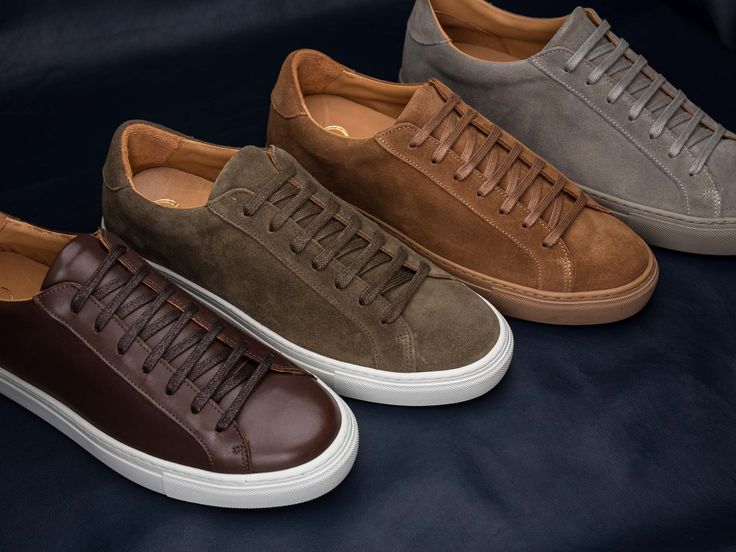
How the shoe looks is also important. Strong stitching should not mean heavy-looking seams. Many shoe brands want attractive stitching lines. Since high-tenacity threads can work well even when they are very fine they help keep the shoe looking neat. This is useful in shoes, fashion shoes and premium sneakers where the finish matters a lot.
Another big benefit is the flexibility in design. Designers today want shoes that’re light with stylish panels, layered uppers and different stitch details. For this the thread must support both function and looks. A heavy thread may not always suit the design. A high-tenacity thread gives the manufacturer freedom. It can support the construction of the shoe well while still fitting with shoe styling.
It is also important to choose the type of thread for the right shoe. Not every shoe needs the same thread. A sports shoe, a school shoe and a safety boot all have conditions in which they are used.. In many of these cases high-tenacity threads give a strong advantage because they add dependable seam strength without unnecessary weight.
In words high-tenacity threads help make shoes stronger, lighter and more durable at the same time. It may seem like a thing but its role is very big. Good shoes are not just about what you can see. They are also, about what holds everything quietly.
As shoe trends move towards durable and high-performance products the choice of thread becomes even more important. Brands and manufacturers that focus on quality stitching can create shoes that feel better longer and perform well in real use.. That is where high-tenacity threads make a real difference.