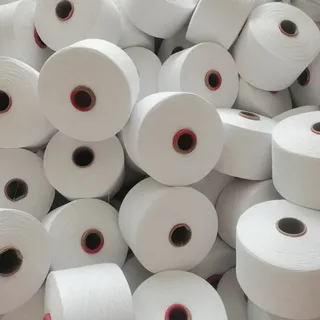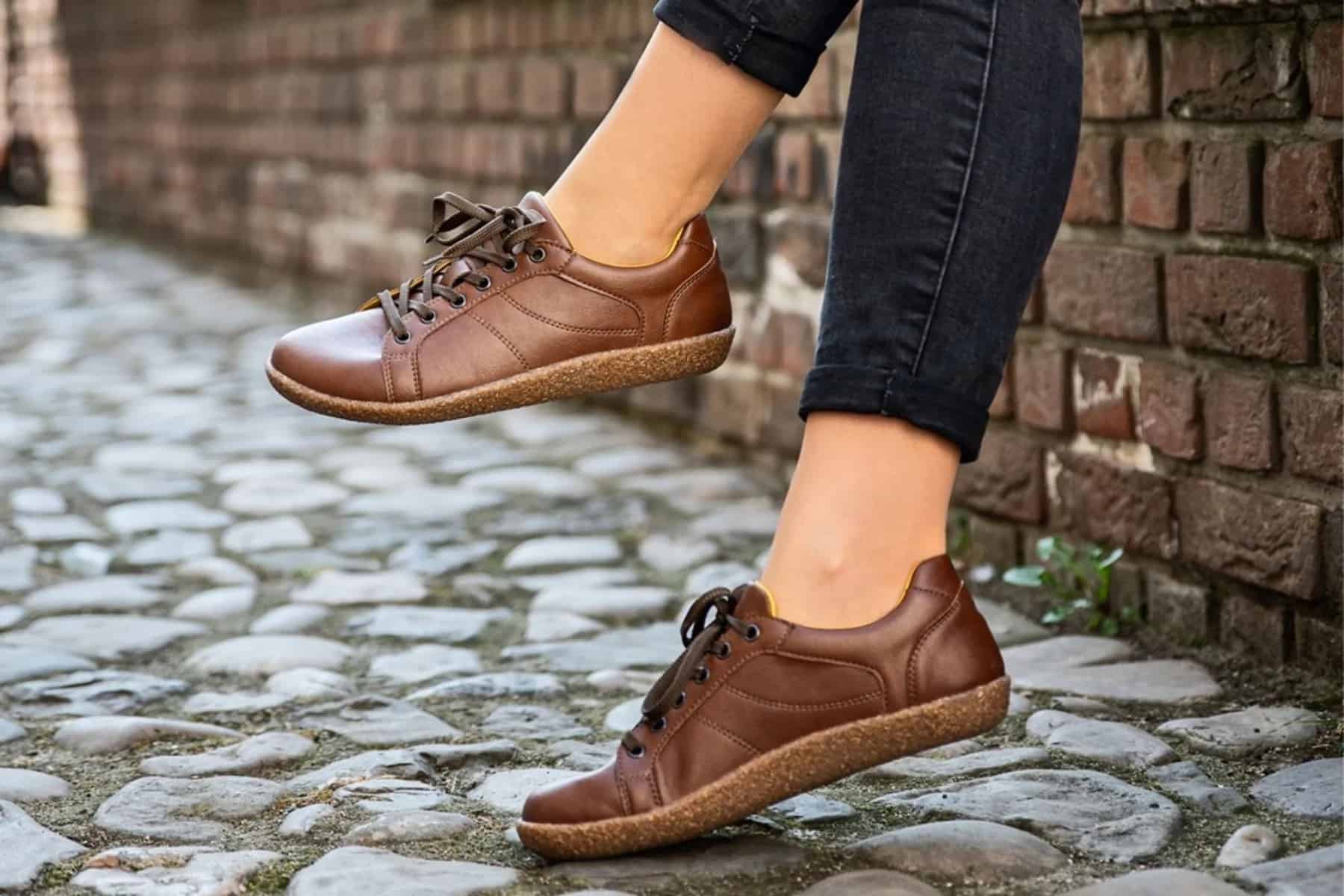
In a shoe factory every minute counts. A small stop can cause problems. When one machine stops work slows down. When stitching breaks workers have to wait. When thread gets cut again and again production suffers. This is why sewing thread is crucial in footwear making. It plays a role in keeping factory work smooth and fast.
Many people focus on shoe design, sole quality, fabric and finishing.. Thread also matters a lot. A weak thread can slow down the line. A better thread, like polyester sewing thread, can save time every day. This is one reason why advanced sewing threads are becoming more useful in shoe factories now. Advanced sewing threads help factories work efficiently.
Downtime happens for reasons.
* Sometimes the machine stops because thread breaks in the middle of stitching.
* the needle gets heated too much and damages the thread.
* In some cases thread creates lint and dust and this affects machine parts.
* Some threads do not move properly through fast-speed machines.
Then the stitching becomes uneven. Shoes need rework. All this wastes time, money and effort.
A shoe factory usually works with speed. There are targets. There are delivery dates. There are pairs to complete in less time. If stitching work is not stable the whole schedule can get disturbed. One broken thread may look small. When it happens many times in one shift the loss becomes big. Stitching work is critical in shoe factories.
This is where advanced sewing threads help. These threads are made to perform in factory conditions. They are stronger, smoother and more reliable. They can handle machine speed in a way. They also reduce chances of breakage skipped stitches and uneven seam quality. Because of this workers can keep working for time without unwanted stoppage. Advanced threads make a difference.
One big benefit of thread is high strength. In shoes stitching goes through leather, synthetic, fabric, foam and other thick materials. A normal low-quality thread may not handle this pressure well. It can snap during sewing.. A stronger thread stays steady. It can work through material without giving trouble again and again. High-strength thread is essential.
Another good point is surface. A smooth thread passes easily through guides, tension discs and needle eye. It does not struggle much inside the machine. This means friction and less stress. When movement is smooth machine runs better. Stitching also looks neat. Workers do not need to stop for correcting thread issues. Smooth thread makes sewing easier.
Some advanced threads also create lint. This is very useful in shoe production. Extra lint may look harmless. It can build up inside the machine. After some time it can affect machine performance. Cleaning takes time. Maintenance takes time too. If the thread makes lint the machine stays cleaner for longer time. That means stopping, less cleaning and better output. Less lint is a plus.
Heat resistance is also important. In high-speed stitching the needle becomes hot. This heat can weaken thread. It may melt slightly damage surface or break while sewing. Advanced threads are better in conditions. They can handle machine heat in a way. This helps factories maintain speed without facing thread trouble every minutes. Heat resistance matters.
Good colour consistency also helps more than people think. If thread shade changes from one cone to another workers may need to stop and check matching. Sometimes finished pairs get rejected because stitching shade looks different. This creates rework and delay. A quality thread with colour helps avoid this issue and keeps production moving. Colour consistency is key in polyester embroidery thread.
Another factor is lubrication. Many advanced sewing threads come with finish and lubrication. Because of this thread runs better on machine. It faces abrasion. It also helps reduce needle heating and friction. This small feature gives a benefit in busy production lines. Proper lubrication helps.
In shoe factories rework is one of the hidden reasons for downtime. If stitches open look loose or become uneven workers must repair the product. That same pair again goes back into line. This slows everything. Advanced thread helps reduce problems because seam quality becomes more dependable. When first-time stitching is right factory saves time. Reduced rework saves time.
Strong and stable seams also improve shoe quality. A shoe goes through bending, pulling, rubbing and daily wear. If the thread is not right seams may fail early. Then the brand may face returns or complaints. So advanced thread is not helping production speed it is also helping product life. Better seams mean shoes.
Choosing the thread for the right shoe type is also important. Sports shoes, safety shoes, school shoes and fashion shoes all have stitching needs. Factories should not use one thread for every style. Matching the thread to material, design and machine speed gives results. This reduces trial and error on the line. Right thread choice matters.
Training also matters. Even a good thread needs handling. Tension setting, needle type, stitch density and machine condition should be proper. When the factory uses thread along with right setup the result becomes much better. Downtime goes down. Productivity goes up. Proper training is essential.
Today shoe factories need ways to work faster and better. Advanced sewing thread is one powerful support in this journey. It helps reduce thread breaks, machine stops, lint issues, heat damage and rework. It makes stitching smoother and production more stable. Advanced thread is a tool.
In the end thread is not a small material on a cone. It is a working partner, in the factory. When the thread performs well the line performs too.. When the line runs without many stops the factory can save time reduce cost and deliver shoes on schedule. Thread performance matters.